


The lighting industry is currently experiencing a "tale of two cities." On the surface, cities are glowing brighter than ever, but behind the scenes, professionals in the field are feeling the squeeze. The era of simply "installing lights" is over. Here is why the industry has become so challenging:
1. The Market Shift: From "Having Lights" to "Having Taste"
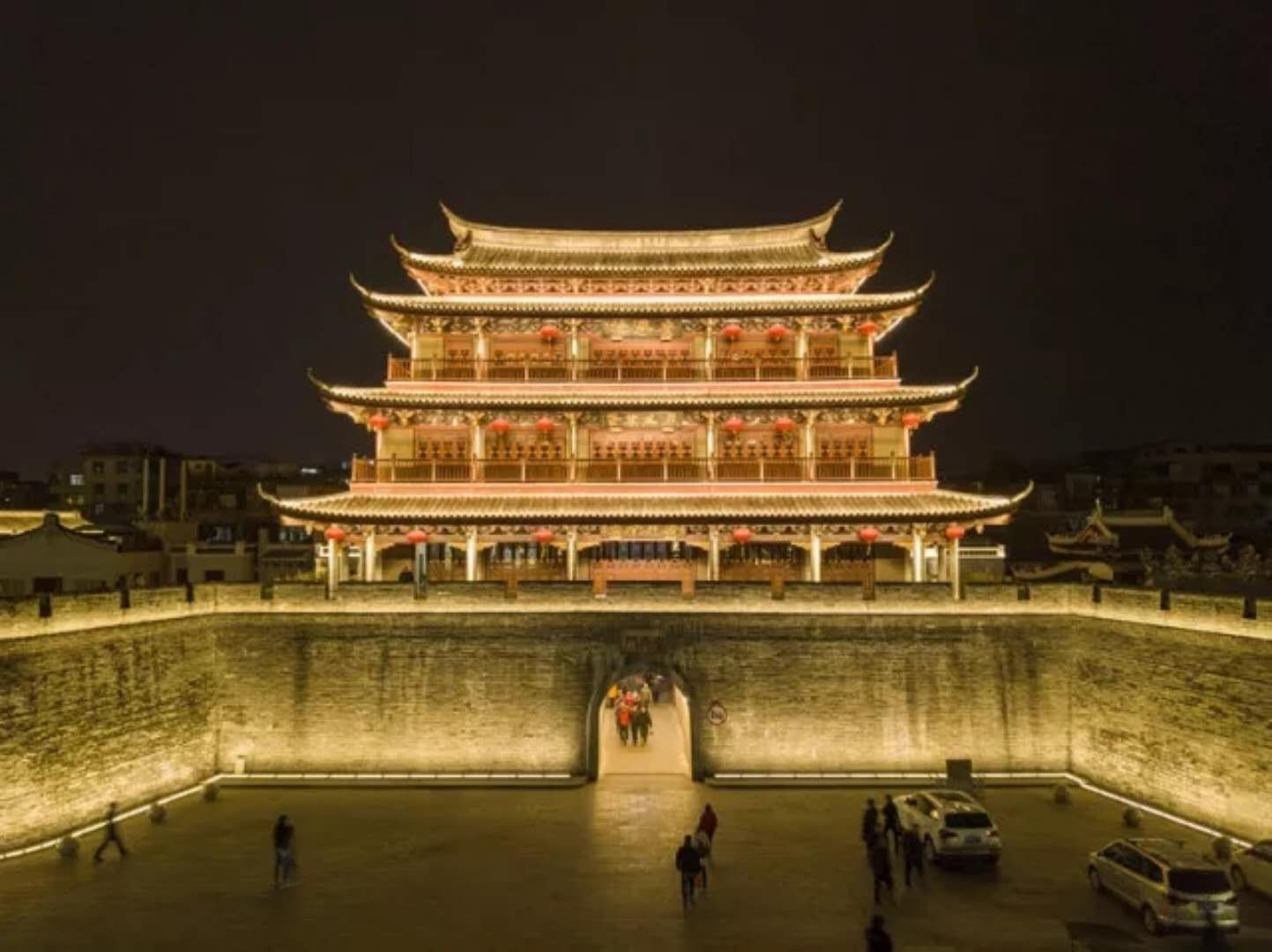
The low-hanging fruit of basic urban lighting has been picked. As new projects dwindle, companies are fighting over renovation bids, triggering fierce price wars. Clients no longer ask just for brightness; they demand cultural depth, IP integration, and "Instagrammable" experiences. This shift has raised the barrier to entry, leaving traditional installation teams struggling to compete.
2. The Cash Flow Squeeze
With many public and real estate projects facing tighter budgets, payment cycles have lengthened significantly. Companies are now forced to shoulder heavy upfront costs and cash flow pressures just to keep their projects running, pushing many smaller firms to the brink.
3. The "Cross-Border" Invasion
The boundaries of the industry are blurring. Landscape architects, multimedia designers, and cultural tourism planners are all moving into the lighting space. The competition is no longer about who can install a fixture, but who can deliver a holistic "nightscape experience." This has led to severe homogenization, where clients grow tired of copycat designs and are unwilling to pay a premium for standard solutions.
4. The Technology Treadmill
The business has evolved from selling hardware to selling "smart light environment solutions." Keeping up with rapid advancements in IoT, interactive tech, and control systems requires heavy R&D investment. Meanwhile, the operational costs of maintaining these complex systems are often underestimated, leading to high failure rates and client dissatisfaction down the line.
5. Policy and Cost Pressures
Stricter regulations on light pollution and carbon emissions are limiting design flexibility and raising compliance costs. Combined with fluctuating raw material prices and a shortage of skilled engineers, the profit margins have become razor-thin.
The Bottom Line
The industry isn't suffering because light is less important; it’s because light is now expected to do too much. It must be beautiful, energy-efficient, intelligent, and capable of driving commercial value. The threshold has shifted from "installation" to "scenario creation." Those who fail to upgrade their mindset from "engineering" to "operation" will inevitably find the road ahead getting darker.


